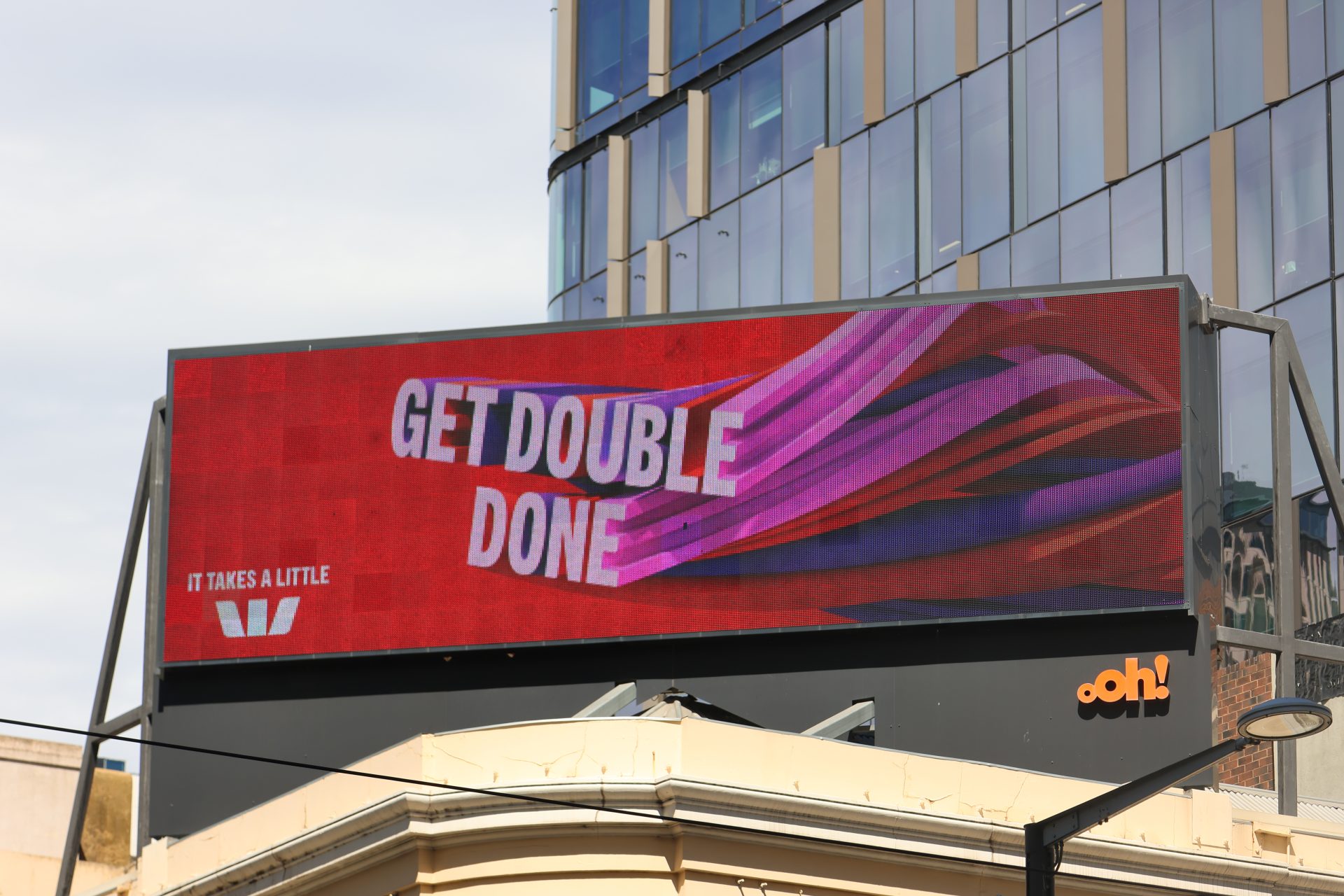
State elections across Australia is a great example of how targeting demographics with local concerns can take the main stage of policy campaigning. Leading up to the 2025 Federal Election, Bigdatr looks at the two most recent state elections in Western Australia and Queensland, where opposing political parties won with differrent advertising strategies. The common winning strategy of winners? Being the first to address policy changes.
The Liberal Party’s Battle in Queensland
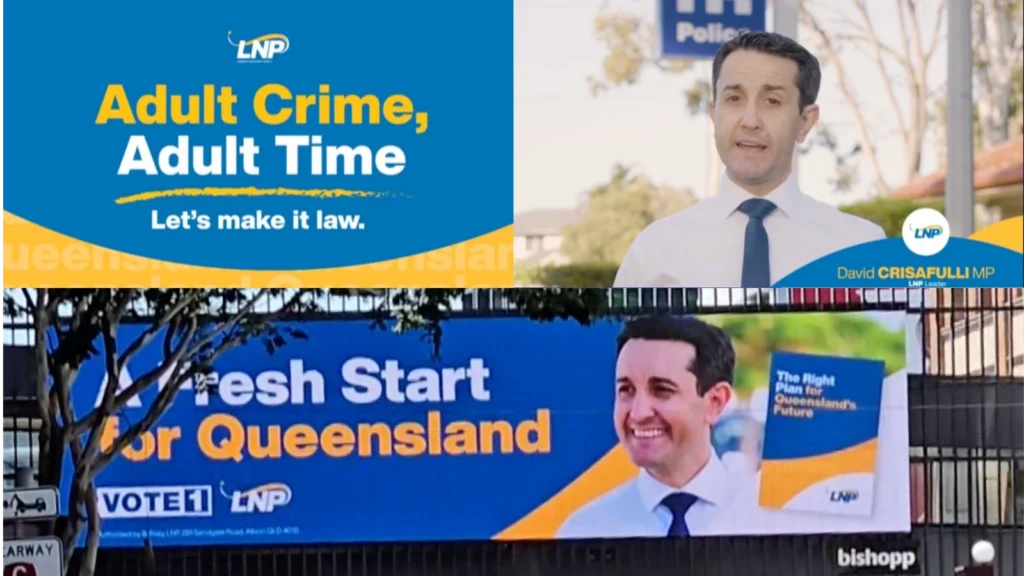
Source: Bigdatr Advertising Creative Library, FTV Metro and OOH, Liberal National Party
When the Liberal Party launched their Queensland campaign in September ’24, they made an effort to seize control of the narrative. Cross-channel tracking revealed how their “Adult Crime, Adult Time” messaging achieved dominant presence on Free-to-air TV, which was further reinforced on regional and metro radio stations across the state.
This head start allowed the Liberals to establish the framework for public discussion and forced Labor into a responsive rather than proactive position, and built messaging momentum before Labor’s campaign even started.
When the Labor Party finally launched on October 13th, they found themselves playing catch-up. Initially, they focused on David Crisafulli’s actions, regarding aged care closures, and healthcare staffing. Nearing election day, the party pivoted to policy platforms on energy, jobs, abortion rights, and mining royalties—hoping to steer voters away from the Liberal’s narrative.
LNP’s media strategy amplified this timing advantage by utilising a more diverse media mix with radio and outdoor advertising through companies like Bishopp, oOh! Media and goa, ensuring message saturation well before Labor’s campaign reached comparable visibility.
Labor’s win in Western Australia

Source: Bigdatr Advertising Creative, FTV Metro, Australian Labor Party
In Western Australia, Premier Roger Cook’s Labor Party secured victory through methodically structured messaging and early market presence. Labor launched their first radio advertisements on December 4, 2024, across Metro stations including 6ix, Hit and Nova.
They further expanded their lead by commencing television advertising on January 25, establishing a critical three-day advantage over the Liberal Party, which didn’t begin television spots until January 28.
This timing advantage complemented Labor’s three-phase messaging approach: establishing credibility through past achievements, addressing specific regional concerns with policy announcements directed at local families, and directly challenging opposition competence.
Meanwhile, the Liberal Party under Libby Mettam attempted to create doubt with their central question: “Are you really better off under Labor?”—arriving after many voters had already encountered Labor’s campaign messaging.
The centrepiece of Liberal’s creative featured roundtable discussions with Mettam and representatives from various local industries, emphasising the Liberal value of “real-world experience” over “career politicians.”
The creative directions well contrasted each party’s leadership styles: Cook’s direct policy declarations versus Mettam’s responsive approach, characterised by agreeable responses like “I can help with that” and “That’s part of our plan” to concerns raised by the public.

Source: Bigdatr Advertising Creative, FTV Metro, Liberal Party of Western Australia
Bigdatr’s comprehensive monitoring across digital, broadcast, and outdoor channels provides the marketplace awareness modern campaigns require:
- Instantly search real-time creative content for specific policy mentions.
- Track how opponents frame your candidate or policies.
- Fact-check and flag opposition claims, powered by Bigdatr’s machine learning technology.
- Document messaging inconsistencies across regions for rapid, localised response.
Learn more about Advertising Compliance Audit here or click below to learn more about Bigdatr’s Advertising Creative Library.